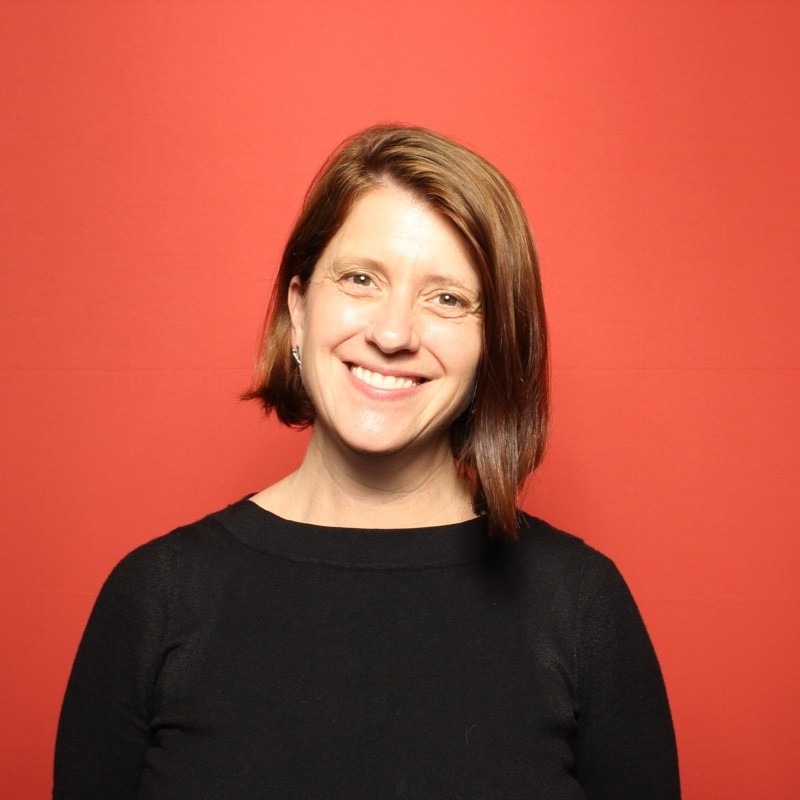
Give people room to do their best work.
I want designers to have work they can make their own, feedback they can use, and someone in their corner when they’re ready to try something unfamiliar.
Support isn’t just encouragement. It’s honest feedback, clear expectations, and a willingness to change how I work so someone else can thrive.
Get to know the people behind the work.
Working together gets easier when you know a little about each other. I make space for people to share who they are beyond their role—not just what they’re working on.
At Cobalt, personal FigJam boards and Monday Morning Breakroom gave us simple ways to start those conversations and build a shared rhythm.
More than a job title.
Personal boards gave everyone a place to share their background, interests, inspirations, and quirks.
Start the week with connection.
Monday Morning Breakroom made room for pets, projects, family, and whatever we brought back from the weekend.
Click or tap to shuffle
Make growth an ongoing conversation.
I built a goal and performance dashboard for each designer: a shared place to revisit personal values, reflect on the work, and set goals against our career framework. Expectations stayed visible, rather than becoming a surprise at the annual review.
A 10-week coaching program through Brown University, grounded in ICF standards, changed how I approached these conversations—listening more deeply and helping people find their own next step.
Notice what’s changing.
What gave you energy?
Look for the work that felt meaningful.
What felt missing?
Notice the values that had less room.
What will you try next?
Choose one small, practical step.
Illustrative values check-in · Example scores, not employee data. The aim isn’t a perfect shape—it’s understanding what needs attention.
Start with values
Revisit what matters to the person and how well their work aligns with it.
Reflect on the quarter
Talk about what went well, what was difficult, and what they learned.
Agree on the next step
Use the career framework to set actionable goals together.
One team. Not a team on the other side of the world.
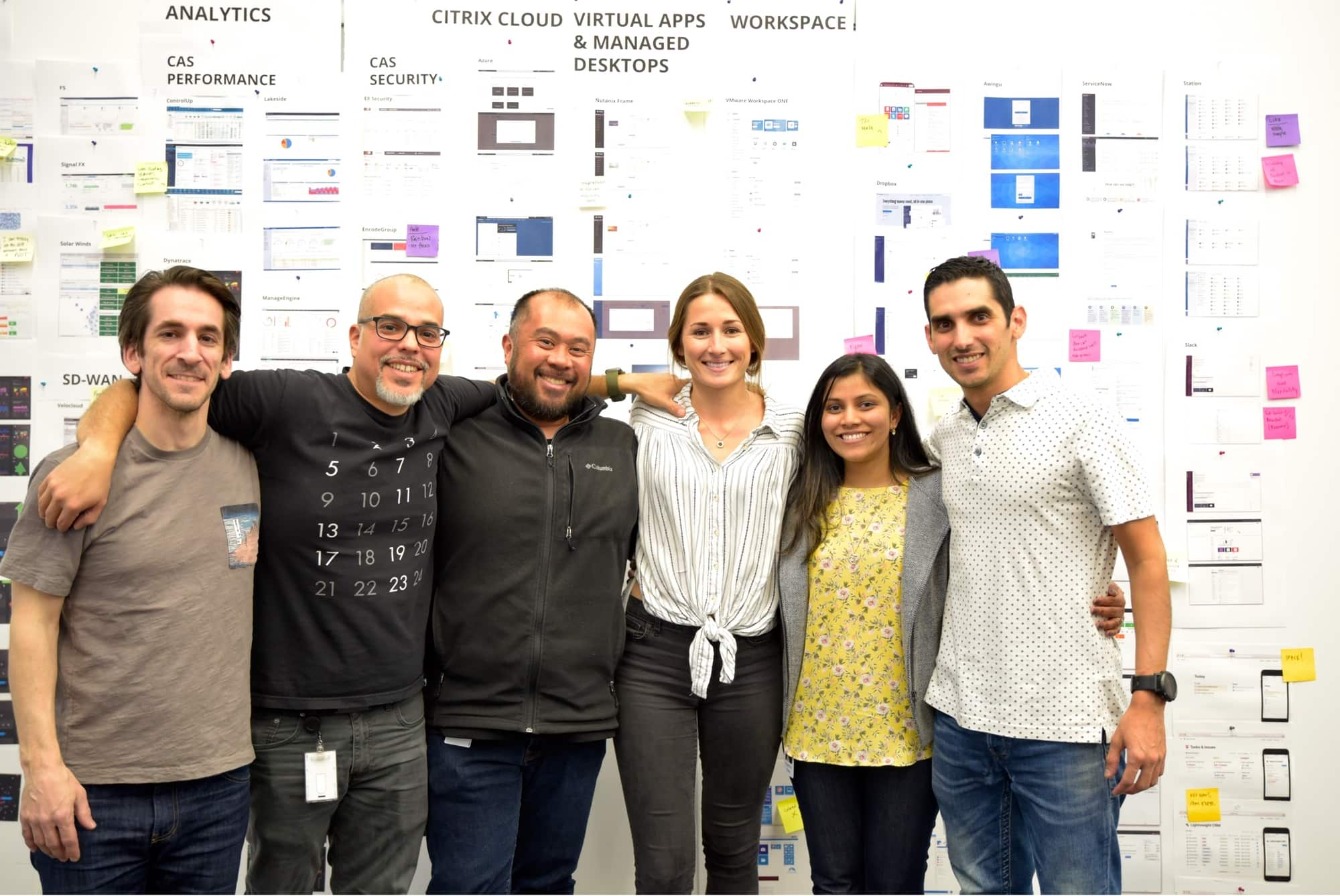
At Citrix, I led designers and researchers in Bangalore who felt disconnected from the team in Raleigh. The distance wasn’t only geographic.
From support to ownership.
I started by listening and learning about the team’s work styles and communication norms. Then I advocated for Bangalore designers and researchers to lead high-visibility projects, so the broader organization could see what they brought.
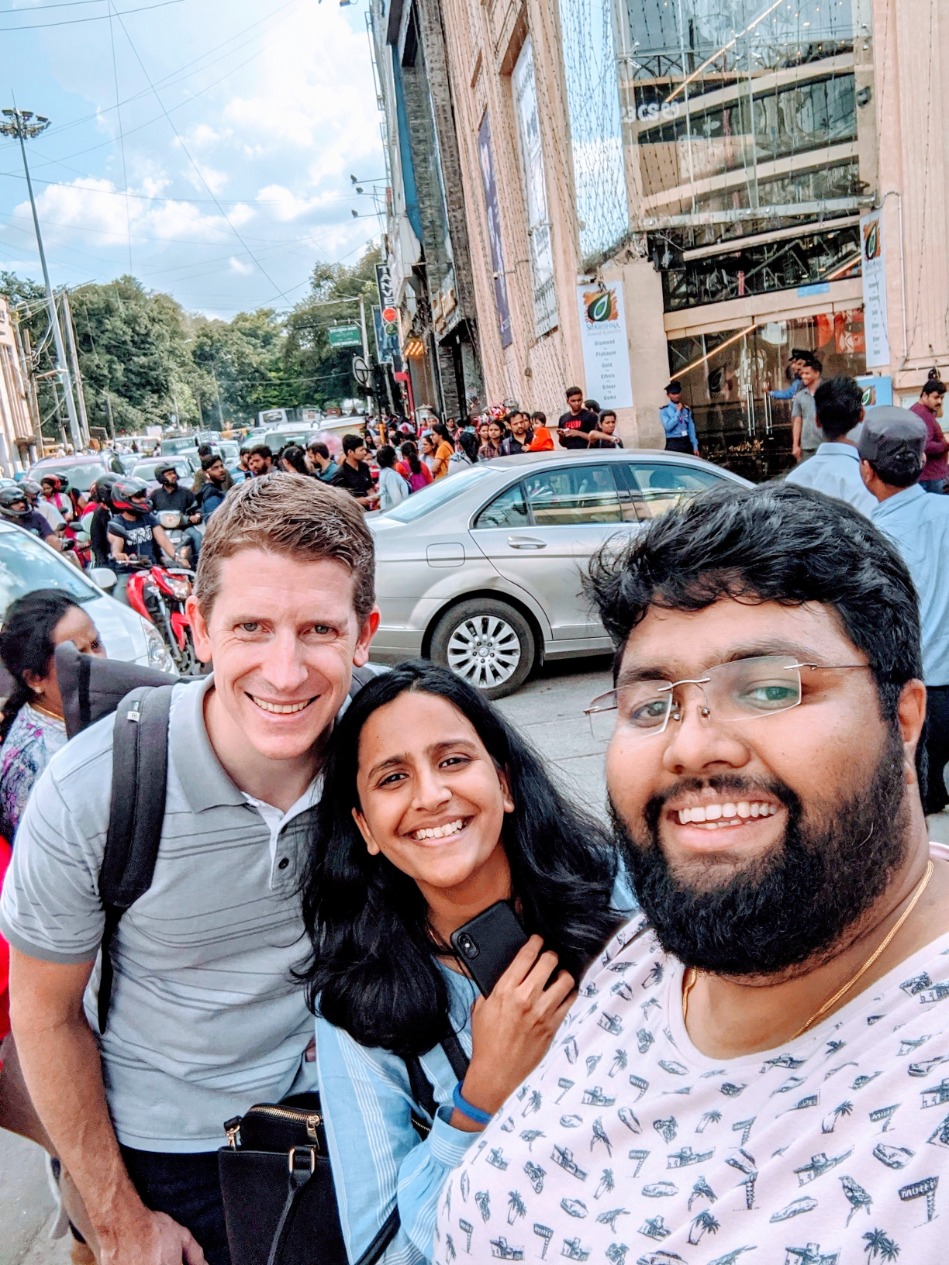
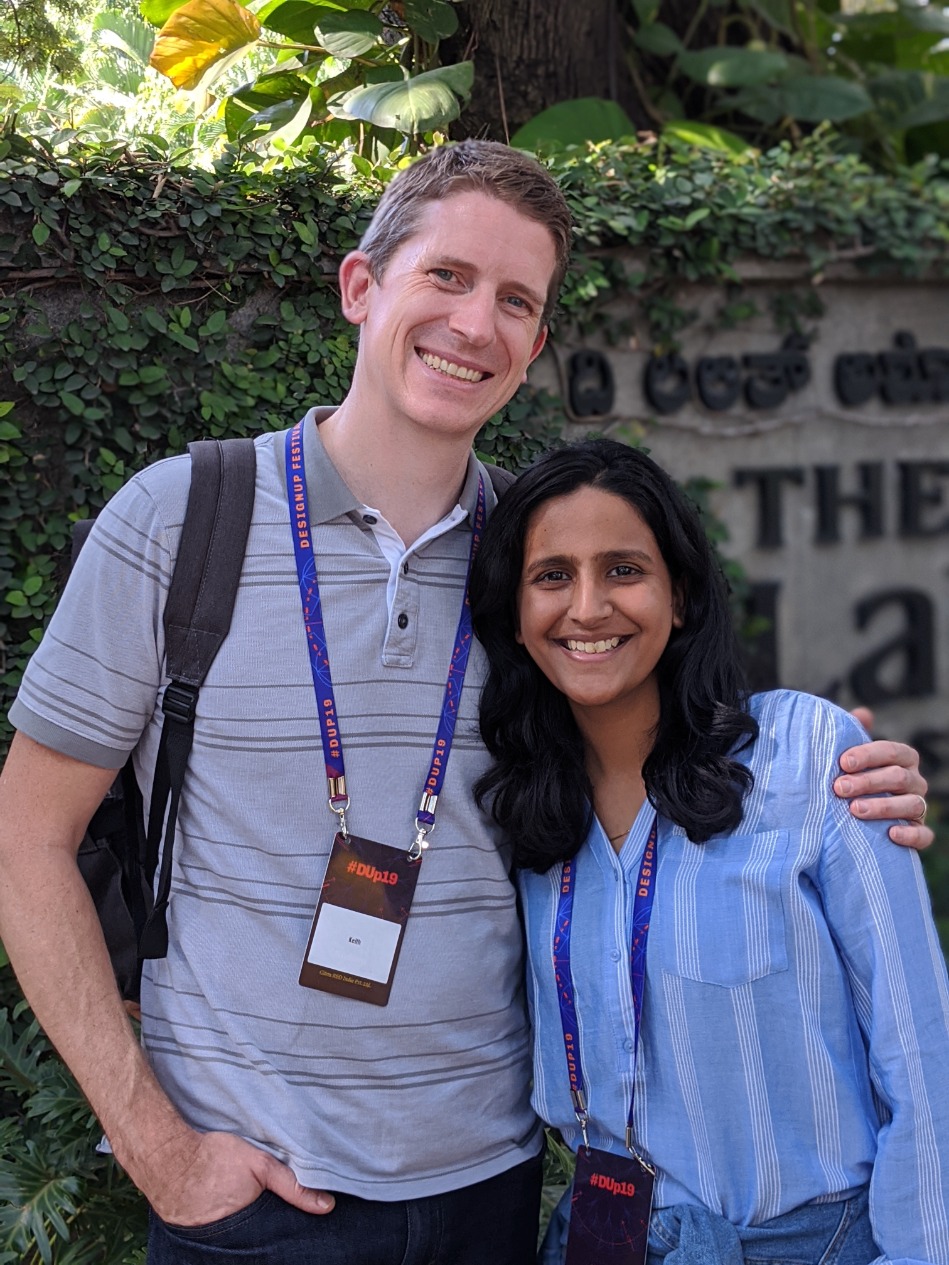
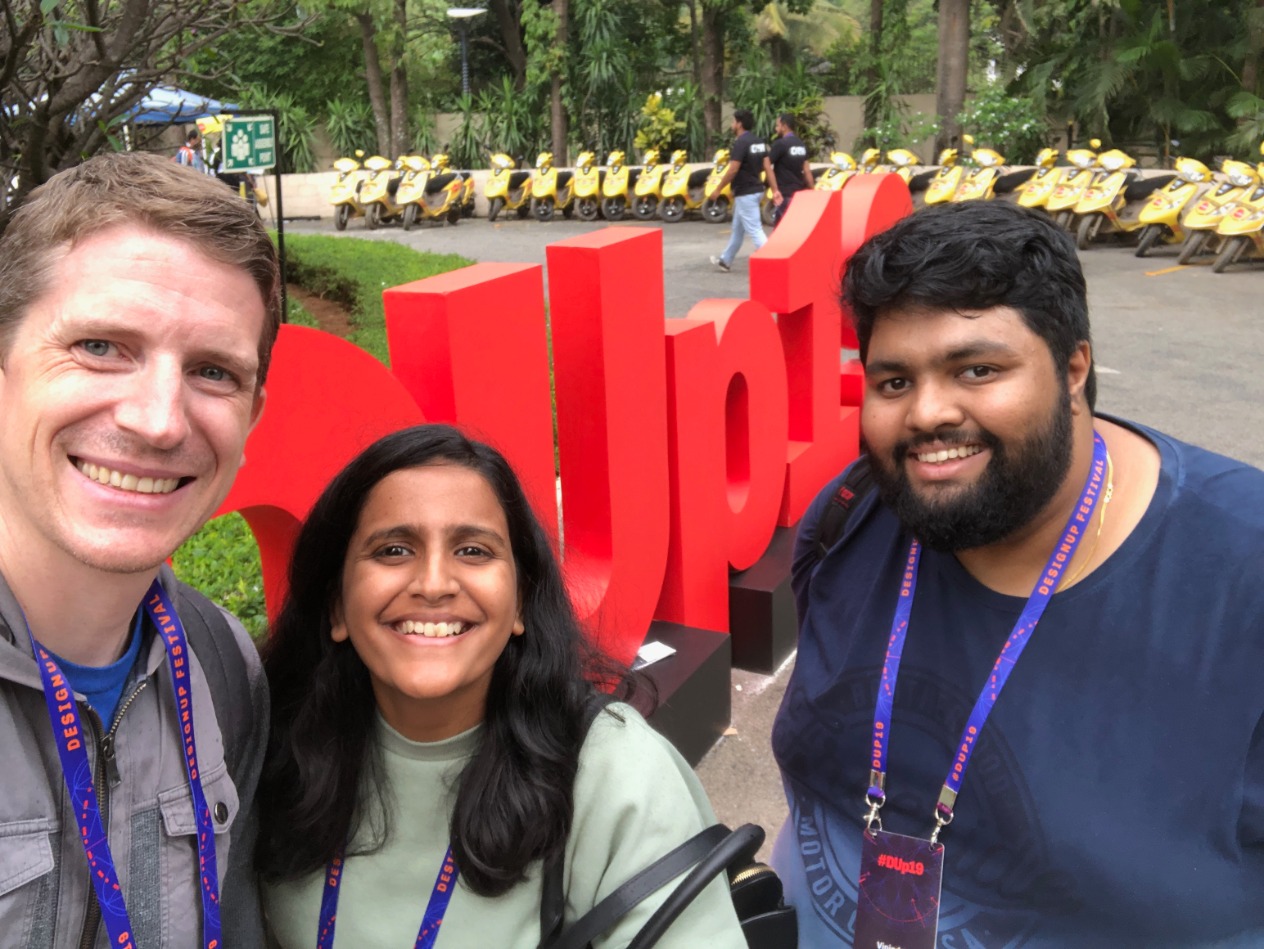
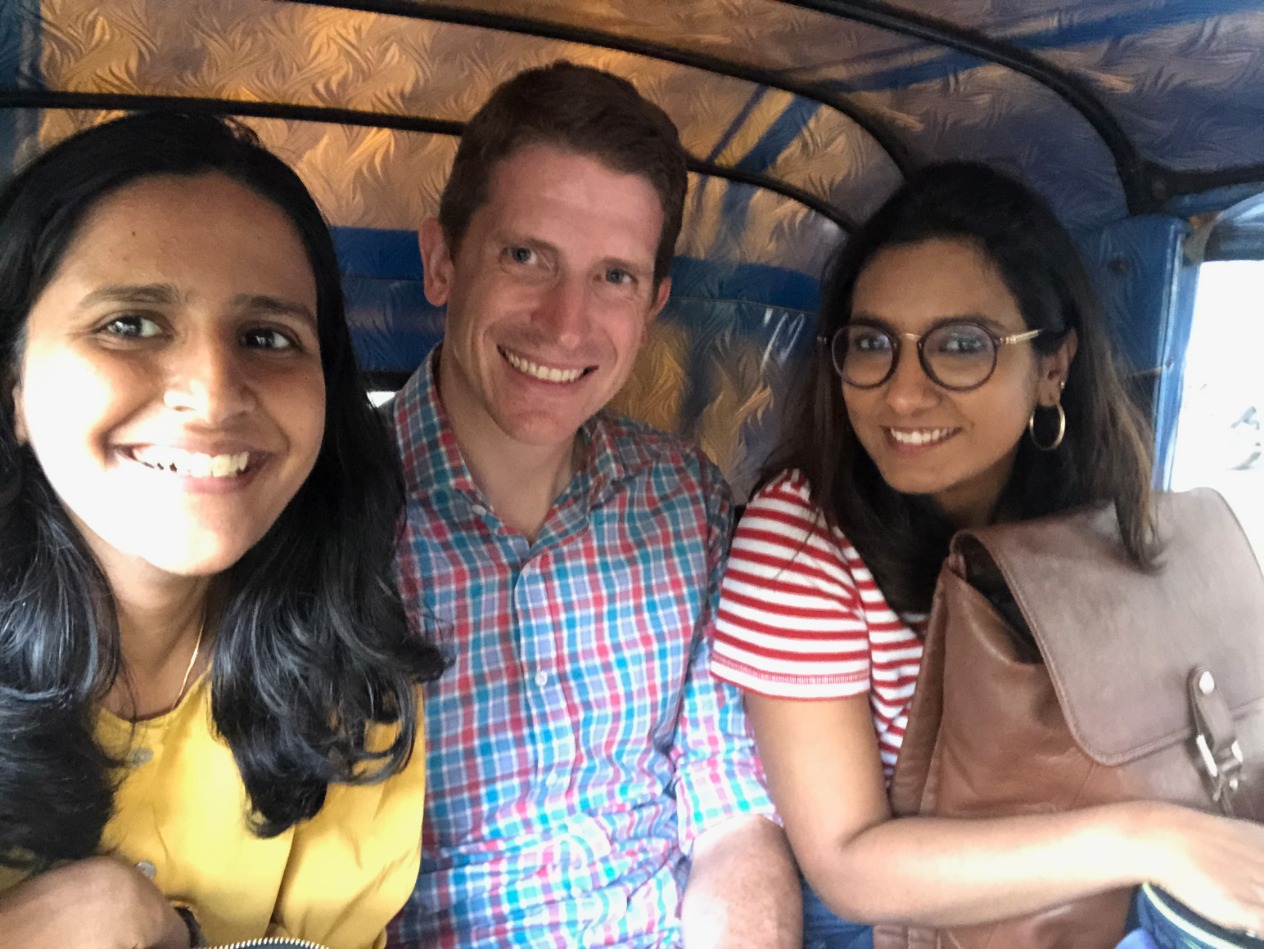
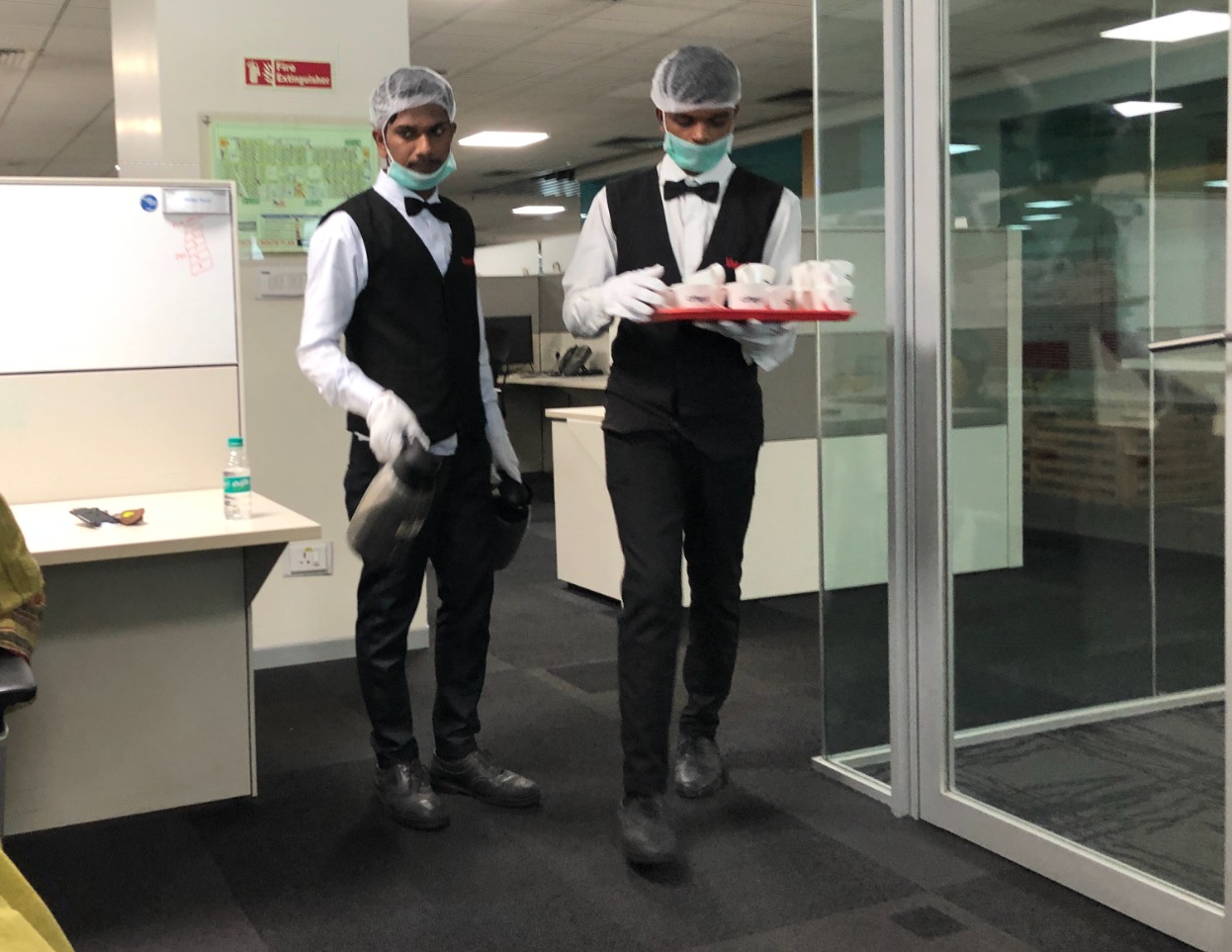
Critiques, team gatherings, and celebrating milestones helped build connection locally. When I visited India, I shared daily photos and stories with Raleigh—bringing the people behind the work closer to both offices.

Making appreciation feel personal
I want people to know that their work is noticed and that they’re valued as part of the team. Sometimes that takes the form of a handmade gift; other times, a thoughtfully put-together swag bag that gives us something to call our own.
The form can change. The intention is the same: put care into saying thank you, and make it feel like it came from a person—not a process.
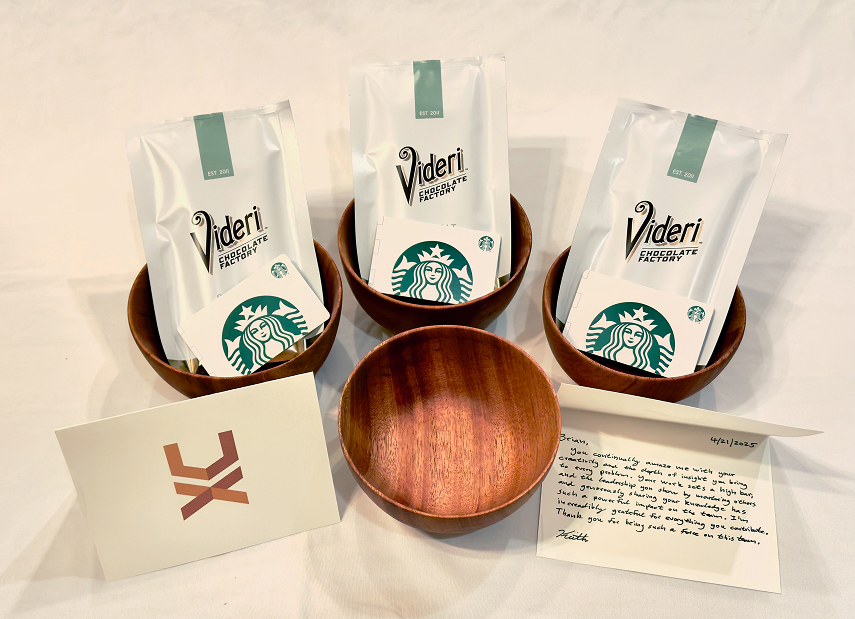 Handmade bowls, chocolate, and a personal note.
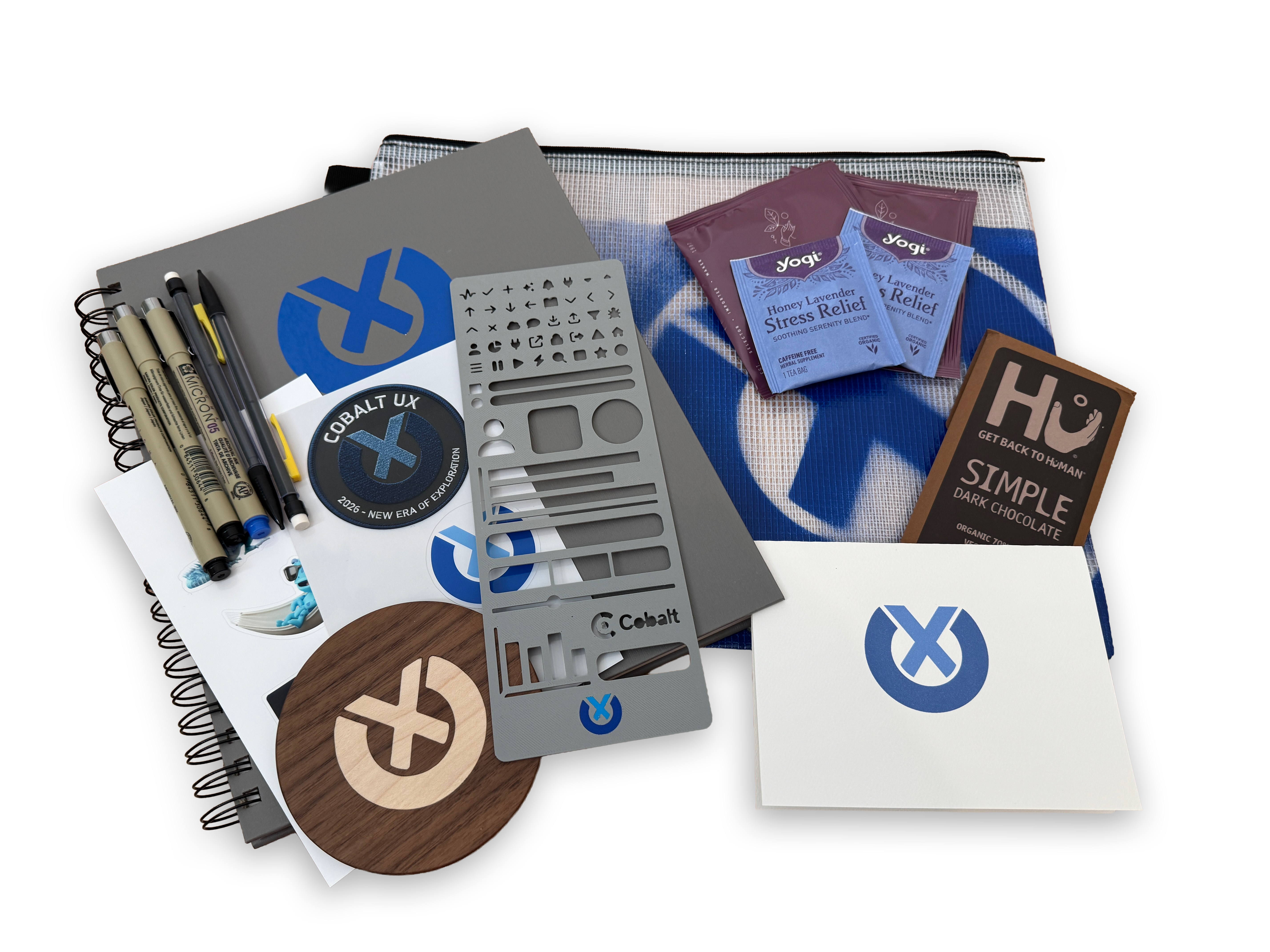 Cobalt UX swag bags—a little shared team identity.
“He genuinely invests in his team’s growth, creates an environment where people can do their best work, and leads with both experience and empathy.”